
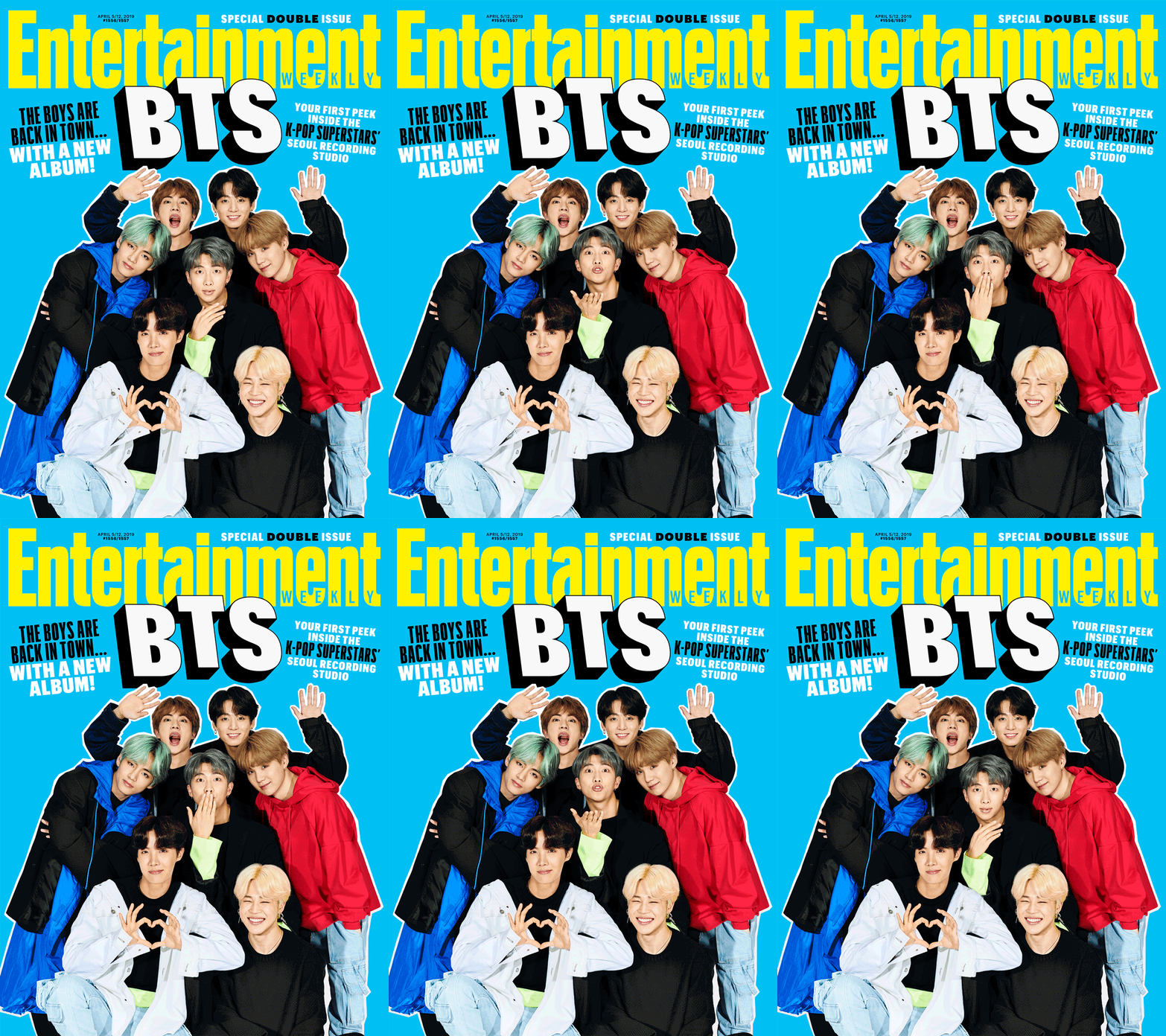
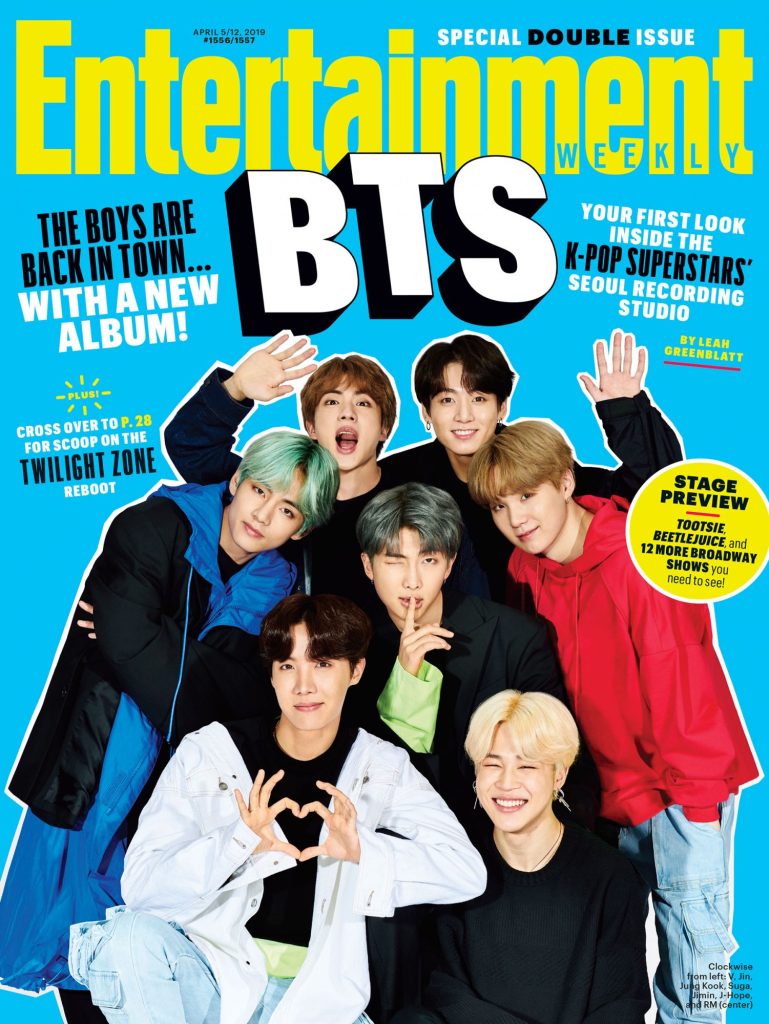
In 2019, BTS made history by gracing the cover of Entertainment Weekly, becoming one of the few K-pop groups to be prominently featured on a major American entertainment magazine. The cover showcased all seven members—RM, Jin, Suga, J-Hope, Jimin, V, and Jungkook—radiating confidence and charm, further solidifying their status as global superstars. This moment was significant, as it reflected BTS’s growing influence in Western media, demonstrating that they were no longer just a K-pop sensation but a cultural phenomenon with an ever-expanding global reach.
The feature article inside the magazine provided a deeper look into BTS’s journey, highlighting their rise from a small Korean label to becoming record-breaking artists selling out stadiums worldwide. The interview covered various aspects of their career, including their artistry, their relationship with ARMY, and the pressures of fame. BTS also discussed their impact beyond music, emphasizing their message of self-love and positivity, which had resonated with millions worldwide. Their openness and humility in the interview further endeared them to fans, proving that despite their massive success, they remained grounded and deeply appreciative of their journey.
BTS’s appearance on Entertainment Weekly was yet another milestone in their international breakthrough, further proving that they had firmly established themselves in the Western entertainment industry. The magazine cover was not just a celebration of their success but also a recognition of their role in reshaping the global music landscape. With their authenticity, talent, and dedication, BTS continued to defy expectations, bridging cultural gaps and redefining what it meant to be global icons.
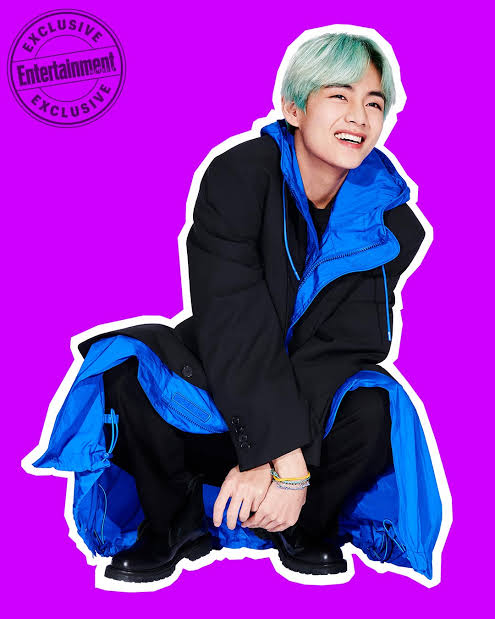
Down a long hallway, all seven members lounge in various states of readiness as they gear up to pretape a thank-you video for an iHeartRadio award they won’t be able to accept in person. On-screen, the band can look disconcertingly pretty; avatars of a sort of poreless, almost postgender beauty who seem to exist inside their own real-life Snapchat filters. In-person they’re still ridiculously good-looking, but in a much more relatable, boyish way: bangs mussed, even the occasional chapped lip or small (okay, minuscule) blemish. Take away their Balenciaga high-tops and the discreet double Cs of Chanel jewelry, and they could almost be the cute college guy next to you at the coffee shop or on the train. Entertainment Weekly
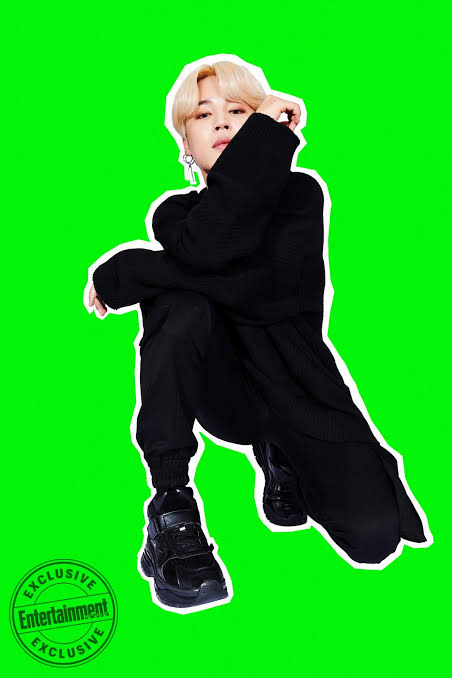
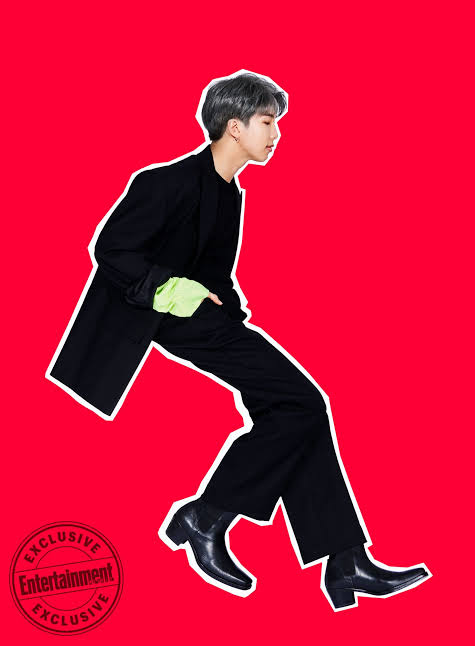
In the still center of this bizarre fame hurricane, the boys have managed to find a few pockets of normalcy. Jimin wistfully recalls a time in Chicago when they were able to slip out of their hotel rooms undetected “late at night, just to get some fresh air.” But most places, he admits, “that’s really out of the question” unless they split into smaller groups. “I mean, look at us,” RM adds with a laugh, running a hand through his own silver-nickel bangs. “Seven boys with dyed hair! It’s really too much.”
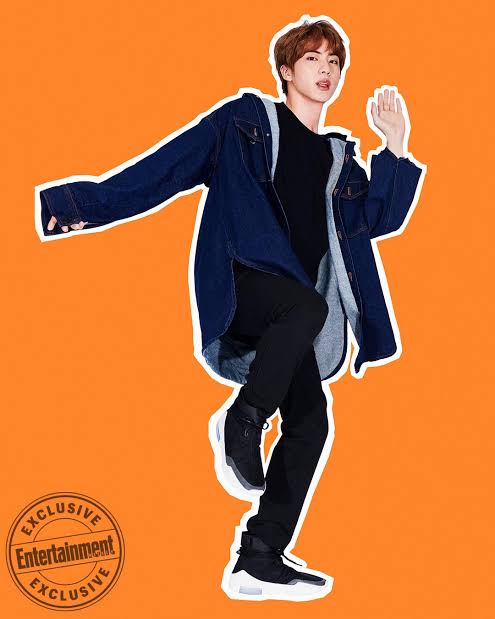
Group housing is actually common for K-pop stars, and BTS seem to appreciate the shared stability: “We’ve been living together for a while now, almost eight, nine years,” says Jimin. “So in the beginning we had a lot of arguments and conflicts. But we’ve reached the point where we can communicate wordlessly, basically just by watching each other and reading the expressions.”
Though they’re unfailingly polite and attentive in interviews, there’s a certain amount of contained chaos when they’re all together—a sort of tumbling-puppy cyclone of playful shoves, back slaps, and complicated handshakes—but also a surprising, endearing sweetness to the way they treat one another in quieter moments. When a question is posed to the group, they work hard to make sure each one of them is heard, and if someone is struggling to find a word, they’ll quickly reach out for a reassuring knee pat or side hug.

The soft-spoken Suga cites John Lennon’s “Imagine” as “the first song I fell in love with,” which feels like a fitting gateway to ask where BTS see themselves in the pantheon of musical heartthrobs that the Fab Four essentially invented. “Sometimes it feels really embarrassing when someone calls us a 21st-century Beatles or something like that,” RM concedes. “But if they want to call us a boy band, then we’re a boy band. If they want to call us a boy group, we’re a boy group. If they want to call us K-pop, then we’re cool with K-pop.”
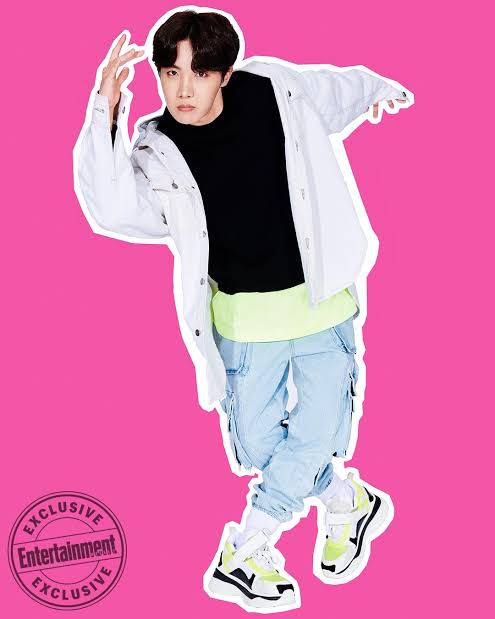
Because Big Hit doesn’t restrict their right to funnel some ideas into side projects—and because the appetite for more BTS-sourced material online is seemingly unquenchable—members regularly release solo work through EPs, SoundCloud, and mixtapes. But the primary impact still comes through the official album releases, and the particularly weighty subjects those songs take on—a notable departure from the narrow, often strenuously upbeat topics other K-pop artists typically cover.
“I promised the members from the very beginning that BTS’ music must come from their own stories,” says Bang

“You know, Latin pop has its own Grammys in America, and it’s quite different,” RM says thoughtfully. “I don’t want to compare, but I think it’s even harder as an Asian group. A Hot 100 and a Grammy nomination, these are our goals. But they’re just goals—we don’t want to change our identity or our genuineness to get the number one. Like if we sing suddenly in full English, and change all these other things, then that’s not BTS. We’ll do everything, we’ll try. But if we couldn’t get number one or number five, that’s okay.”
Discover more from borahae bulletin
Subscribe to get the latest posts sent to your email.
 borahae bulletin