

BTS’ year has been an eventful one with a lot of good things coming their way, just as they have been giving to fans reasons to feel more comforted through their music. The annual voting for Time Magazine’s ‘Person of the Year’ among other distinguished individuals and organizations, included on the list of nominees is BTS for Time Magazine’s “Person of the Year” 2020. The voting for ‘Person of the Year’ commenced on November 25, CST.
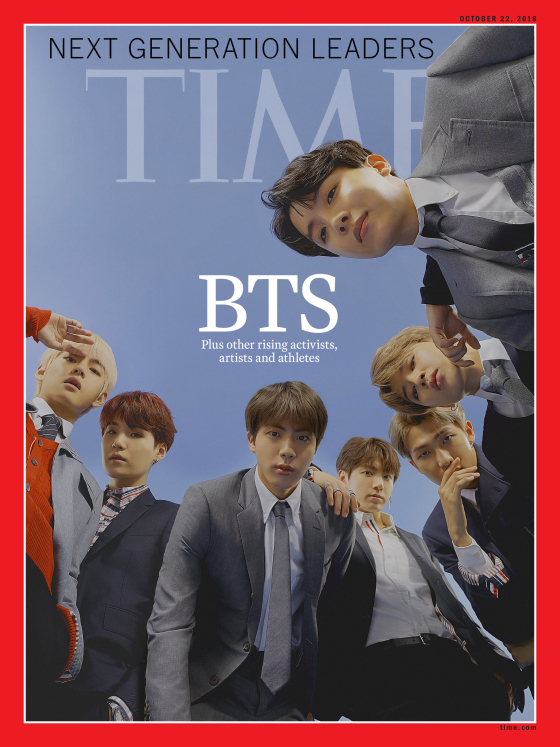
BTS have previously featured on TIME Magazine on their “Next Generation Leaders” Cover in 2018. In 2019 BTS was named among Time magazine’s 100 Most Influential People. BTS was recently nominated for the GRAMMY for the ‘Best Pop Duo/Group Performance’ category with their English hit single “Dynamite.” You can head on here to vote as The result for Time Magazine’s “Person of the Year” will be announced on December 10, CST.
This recognition not only underscored their unprecedented influence in the global music industry but also highlighted their broader impact on youth culture, mental health advocacy, philanthropy, and social justice. Since their debut in 2013 under Big Hit Entertainment (now HYBE), BTS — comprised of members RM, Jin, Suga, J-Hope, Jimin, V, and Jungkook — has gone from being a rising K-pop group to a global sensation. By 2020, BTS had become a household name in nearly every corner of the world, boasting a fanbase known as ARMY that transcends borders, languages, and generations.
Their rise to international fame is nothing short of extraordinary. BTS broke into Western markets without the traditional backing of English-language releases or major U.S. labels at first. They relied on the strength of their music, powerful performances, and deep engagement with fans through social media. Their authenticity and openness about issues like mental health, self-love, and social responsibility struck a chord with millions.
The year 2020 was marked by global turmoil due to the COVID-19 pandemic, with most artists postponing tours and struggling to reach their audiences. BTS, however, adapted swiftly, using the digital space to remain connected with their fans. Their virtual concert “Map of the Soul ON:E” was watched by nearly a million people across 191 countries, setting a new benchmark for digital live events.
In August 2020, BTS released Dynamite, their first fully English single, which debuted at No. 1 on the Billboard Hot 100 — a historic moment as they became the first all-South Korean act to top the chart. The upbeat, disco-pop track became a global anthem of hope and joy amid uncertainty, and it earned them a Grammy nomination, further solidifying their place in mainstream Western music. Following Dynamite, they released the album BE, a project that captured the shared experience of isolation, longing, and optimism during the pandemic. The album’s lead single, Life Goes On, also made history as the first Korean-language song to debut at No. 1 on the Billboard Hot 100.
BTS has consistently used their platform to advocate for mental health awareness, self-love, and youth empowerment. In 2020, their long-standing partnership with UNICEF through the “Love Myself” campaign gained new momentum. The campaign, launched in 2017, aims to end violence against children and promote self-empowerment. By 2020, it had raised millions of dollars globally, with BTS members personally donating and encouraging their fans to do the same.
Their messages during the height of the pandemic were particularly poignant. They often spoke about loneliness, anxiety, and the importance of holding onto hope. During the Dear Class of 2020 virtual graduation ceremony hosted by YouTube, BTS delivered heartfelt speeches to graduates across the world, reflecting on their own experiences with failure and urging young people to believe in their journey.
In September 2020, BTS was invited to speak at the 75th United Nations General Assembly — their second appearance at the UN. In a sincere and emotional address, the members shared personal reflections on how they were coping with the pandemic and reminded young people that their voices matter.
BTS’s nomination for Time‘s “Person of the Year” also reflected their growing involvement in social justice causes. In June 2020, during the global protests against racial injustice sparked by the killing of George Floyd, BTS and Big Hit Entertainment donated $1 million to the Black Lives Matter movement. Within 24 hours, ARMY matched the donation, raising another $1 million under the #MatchAMillion initiative. This action-oriented support showcased BTS’s influence in mobilizing a socially conscious fanbase.
As Asian artists in a predominantly Western industry, BTS’s success has also helped challenge stereotypes and push for broader representation in entertainment. They’ve consistently defied language barriers, proving that music truly is a universal language. In a year that saw a disturbing rise in anti-Asian sentiment due to COVID-19, BTS’s visibility and pride in their cultural roots sent a powerful message of resilience and pride.
Time Magazine’s “Person of the Year” is traditionally awarded to the person, group, or idea that had the greatest influence on the events of the year — for better or worse. In nominating BTS, Time acknowledged not only their musical achievements but also their cultural and societal impact.
In an era marked by political division, health crises, and social unrest, BTS stood out as a symbol of connection and hope. They continued to uplift fans with their words, actions, and art, proving that fame can be wielded responsibly. They also redefined what it means to be a pop star in the 21st century. BTS is not just about music — they are cultural ambassadors, philanthropists, advocates, and role models. Their transparency about personal struggles, relentless work ethic, and messages of unity made them unique in an industry often defined by image over substance.
Though they ultimately did not win Time‘s “Person of the Year” in 2020 (the title went to U.S. President-elect Joe Biden and Vice President-elect Kamala Harris), the nomination alone marked a pivotal moment in BTS’s legacy. It was a validation of their global influence and a recognition of the way they’ve shaped the modern era of music and pop culture.
For ARMY, it was yet another reminder of why they support BTS so fervently. For the world, it was an invitation to look beyond catchy songs and choreography — and to understand the deeper reasons why BTS matters.
As BTS continues to grow, their 2020 nomination remains a powerful symbol of their journey — from underdogs in a competitive industry to cultural icons influencing millions around the world. Their story is far from over, but the year 2020 proved that BTS isn’t just part of the global conversation — they’re helping to lead it.
Discover more from borahae bulletin
Subscribe to get the latest posts sent to your email.
 borahae bulletin