
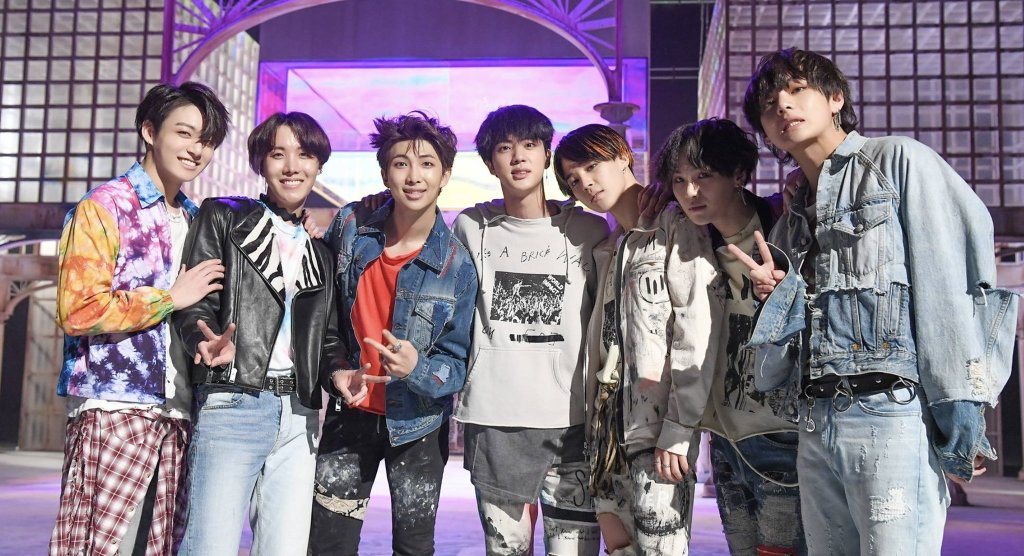
On April 2025, BTS once again made headlines as their iconic music video for “FAKE LOVE” officially surpassed 900 million views on YouTube. Released on May 18, 2018, the emotionally charged track from their album Love Yourself: Tear continues to resonate with fans around the world nearly seven years after its debut. With over 15 million likes and 3.8 million comments, the MV has proven its enduring appeal and solidified its place as one of BTS’s most impactful artistic achievements.
This milestone marks “FAKE LOVE” as the fourth BTS music video to reach 900 million views, joining the ranks of “DNA,” “Boy With Luv” featuring Halsey, and the globally explosive “Dynamite.” Each of these videos represents a unique chapter in BTS’s ever-evolving musical journey, but “FAKE LOVE” stands out for its raw emotional depth, haunting visuals, and complex choreography that continue to captivate fans and casual viewers alike.
When “FAKE LOVE” was released, it was more than just another comeback, it was a turning point in BTS’s discography and storytelling. As part of their Love Yourself series, the song dives deep into the theme of love that turns painful when one loses their identity in the process of trying to please someone else. Its lyrics reflect vulnerability, longing, and the emotional cost of maintaining a façade for the sake of a relationship.
The music video masterfully captures this sentiment. Directed by YongSeok Choi (Lumpens), the MV features symbolic imagery, from collapsing rooms to wilting flowers and the ever-recognizable maze of doors, all highlighting the sense of disorientation and internal conflict. The members navigate surreal spaces filled with fire, water, sand, and shadow, representing their emotional turmoil. It’s not just a music video, it’s visual poetry.
Each member conveys raw emotion through their performance, both facially and physically. Jungkook’s scene with the collapsing room, Jimin’s moment with the shattering mirror, and RM’s encounter with a burning room are particularly memorable for their symbolism and intensity. The color grading, special effects, and cinematic storytelling elevate “FAKE LOVE” from a typical idol MV to a deeply artistic short film.
Equally remarkable is the choreography, which remains one of BTS’s most technically challenging and emotionally expressive routines. Created by renowned choreographers including Son Sung-deuk and Keone Madrid, the dance blends modern, contemporary, and hip-hop elements to create movement that mirrors the song’s themes of heartbreak and identity loss.
The key point moves, such as the hand-over-heart gesture, the neck-breaking motion, and the body drops, are instantly recognizable and have been replicated countless times by fans and dancers worldwide. Every motion is timed to the emotion behind the lyric, and BTS’s execution is sharp, synchronized, and full of feeling. Watching them perform the routine is a reminder of their dual mastery as both vocalists and dancers.
“FAKE LOVE” became a staple in BTS’s live performances, from award shows to their world tours, and always received thunderous responses. It showcased their ability to channel vulnerability through their bodies as much as their voices, helping redefine what it means to be a male performer in K-pop.
The success of “FAKE LOVE” was a major moment for K-pop’s global presence. It became BTS’s first song to debut in the Top 10 of the US Billboard Hot 100, landing at No. 10, a historic achievement for a Korean-language track at the time. It also topped iTunes charts in over 50 countries and won multiple music show awards in South Korea.
The song’s appeal was not limited to ARMYs alone. Critics praised “FAKE LOVE” for its genre-blending production and lyrical honesty. The track combines elements of emo rock, trap, and pop with a melancholic guitar line, distorted synths, and layered vocals. Its complexity and cohesiveness won accolades from both Eastern and Western media outlets, further cementing BTS’s artistic legitimacy.
The music video’s aesthetic and the narrative themes contributed to academic discussions, fan theories, and visual analyses. It’s often cited in pop culture studies and dissertations as a prime example of transmedia storytelling in K-pop.
What makes “FAKE LOVE” reaching 900 million views so special is the fact that it has done so over time, proving its long-term impact and staying power. Unlike viral hits that flare up and fade, “FAKE LOVE” has continued to attract viewers, whether it’s longtime ARMYs revisiting the masterpiece or new fans discovering BTS for the first time.
The consistent growth in view count is also thanks to BTS’s devoted fanbase, ARMY, who frequently organize streaming events to celebrate anniversaries and milestones. Their passion and dedication ensure that the song’s legacy not only survives but thrives, keeping its emotional message alive across generations and cultures.
While reaching 900 million views is a monumental number, the real story lies in the emotional connection fans feel with “FAKE LOVE.” For many, it represents a time of personal growth, healing, or even survival. The lyrics resonate with those who have experienced heartbreak, identity struggles, or the pressure to conform to societal expectations.
Fans often share stories of how “FAKE LOVE” helped them feel seen and understood, with lines like “I’m so sick of this fake love” and “Love you so bad, love you so mad” becoming personal mantras. The song’s ability to articulate emotional pain in a relatable way is what keeps it relevant, even years after its release.
It’s likely only a matter of time before “FAKE LOVE” joins the 1 billion-view club, following in the footsteps of “Dynamite” and “Boy With Luv.” But whether it takes months or years, its significance will remain unchanged. “FAKE LOVE” is not just a music video, it’s a cultural landmark, a masterpiece of emotion, and an eternal symbol of BTS’s artistry.
Watch the incredible MV below
Discover more from borahae bulletin
Subscribe to get the latest posts sent to your email.
 borahae bulletin