
BTS Honors Disability Pride Month with Meaningful Gesture and Inclusive Message in “Permission to Dance” The month of July marks Disability Pride Month, a time to honor, celebrate, and bring awareness to the lives, experiences, and voices of people with disabilities around the world. This month is not only a symbol of visibility and inclusivity but also a chance to recognize the diversity of human experience and the beauty in each person’s uniqueness.
In the spirit of promoting understanding and breaking down barriers, BTS, the global superstars known for their heartfelt music and meaningful messages, have taken a thoughtful step in support of Disability Pride Month. The group recently added the “hearing aid” emoji (🦻) to their official Twitter bio on @bts_bighit, a subtle yet powerful nod toward inclusivity, solidarity, and awareness for the Deaf and hard-of-hearing community.
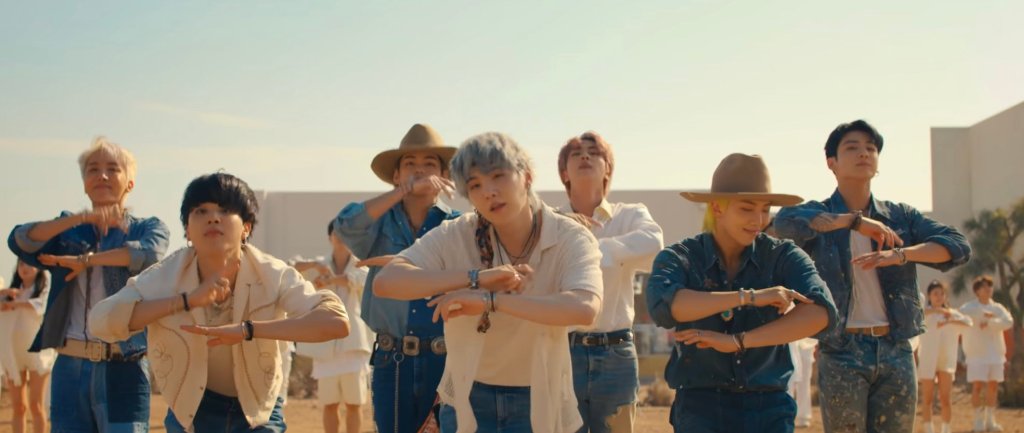
This gesture came shortly after the release of their inspirational single, “Permission to Dance,” a bright, uplifting track that has captured hearts worldwide. But it wasn’t just the catchy melody or the feel-good energy that sparked conversation it was the intentional inclusion of international sign language in the choreography, a first for BTS and a moment that resonated deeply with fans and advocates across the globe.
In “Permission to Dance,” the choreography incorporates simple but universally understood signs that translate to “joy,” “dance,” and “peace.” These signs are seamlessly woven into the choreography, ensuring that the message of the song — one of freedom, celebration, and global unity is accessible to everyone, including those within the Deaf and hard-of-hearing community.
The decision to include sign language in the dance was widely applauded by fans and disability advocates. For many, it was more than a symbolic gesture it was an act of genuine inclusion. It sent a clear message: “You are seen. You are valued. This is your song too.” BTS has long been praised for their messages of self-love, mental health advocacy, and social awareness, and this is yet another example of how they continue to evolve and find meaningful ways to include more people in their journey.
Representation especially in media and pop culture has the power to shape perception and foster empathy. For years, disabled individuals have been underrepresented or misrepresented in mainstream music and entertainment. BTS using their platform to uplift and acknowledge a marginalized group, particularly during Disability Pride Month, is a remarkable act of allyship.
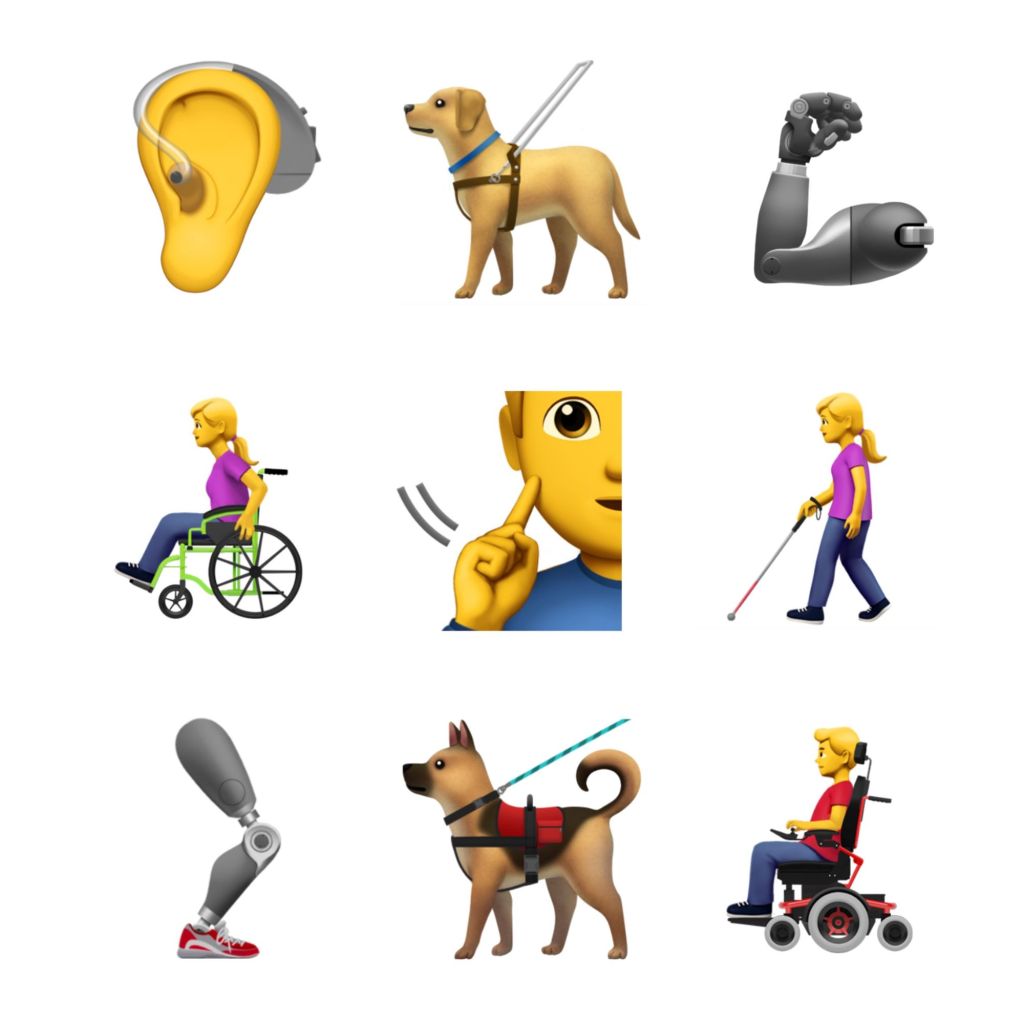
The hearing aid emoji (🦻) itself is a symbol that represents people with hearing loss. It is often used in online conversations to raise awareness, show support, and celebrate Deaf culture. BTS choosing to include this in their bio is a gentle reminder of the importance of being inclusive, not only during special months or events, but as part of an ongoing effort.
The hearing aid depicted in the emoji is of the Behind-The-Ear (BTE) variety, which is commonly worn by individuals with different degrees of hearing loss. However, the symbol goes beyond just the technology it represents access, communication, dignity, and pride in identity. For fans who use hearing aids, this gesture was touching, validating, and deeply meaningful.
From the very beginning, BTS has made it their mission to connect with people from all walks of life. “Permission to Dance” was released on July 9, 2021, as a special gift to celebrate ARMY’s birthday, but it quickly became more than a fan tribute it became a global anthem for joy and liberation. At a time when the world was recovering from isolation, anxiety, and uncertainty, BTS reminded us all that we don’t need anyone’s permission to feel happiness or to keep moving forward.
With its sunny visuals, diverse cast of dancers, and energetic choreography, the music video paints a picture of hope. But the use of international sign language was the highlight for many. It wasn’t a marketing gimmick or a performative nod it was purposeful. It fit naturally within the flow of the music, proving that accessibility can be beautiful, creative, and artistically integrated.
This isn’t the first time BTS has gone out of their way to show empathy and thoughtfulness. Whether it’s their speeches at the United Nations, their campaign with UNICEF’s “Love Myself” initiative, or their continued openness about topics like mental health, grief, and personal struggles, BTS has consistently used their voice to uplift others. Their music is often filled with messages of resilience, acceptance, and healing themes that resonate strongly with the disabled community and beyond.
What makes this moment during Disability Pride Month particularly touching is how organic and intentional it feels. It’s not a grand announcement or a promotional tactic. It’s a quiet, powerful gesture that says, “We see you. You belong here.”
Unsurprisingly, ARMY the loyal and diverse global fanbase of BTS responded with overwhelming positivity. Fans from around the world took to social media to share their own experiences with hearing loss, express gratitude for the representation, and celebrate the inclusive spirit of BTS. Hashtags such as #PermissionToDance, #DisabilityPrideMonth, and #InclusiveBTS began trending, showing the ripple effect of such thoughtful gestures.
Some fans with hearing disabilities shared emotional stories about finally feeling acknowledged by their favorite artists, while others emphasized how meaningful it was to be able to share BTS with their friends or family members who use sign language.
BTS continues to break barriers, not only in the music industry but in how they communicate with and care for their audience. The inclusion of international sign language in “Permission to Dance” is just one example of how entertainment can be a force for inclusivity and connection. It shows what’s possible when artists use their platform with awareness and intention.
In a world where people with disabilities still face numerous challenges and systemic obstacles, acts of visibility and allyship from public figures can make a world of difference. It reinforces the idea that no one should be left out of the conversation or the celebration.
As Disability Pride Month continues, BTS’ thoughtful approach to representation stands as a beacon of hope and progress. Their use of the hearing aid emoji in their bio and the incorporation of sign language in “Permission to Dance” aren’t just random acts they are affirmations of their ongoing commitment to making the world a little brighter, a little kinder, and a lot more inclusive.
In doing so, BTS reminds us that the joy of music, dance, and connection belongs to everyone and you don’t need permission to be yourself.

Ear with Hearing Aid Emoji was approved as part of Unicode 12.0 in 2019 as part of #WorldEmojiDay
Motorized wheelchair users got emojis to iOS devices together with manual wheelchair users in 2019. The American Sign Language gesture for ‘deaf’ was a new emoji that came out in 2019. The latest accessibility options in the emoji set included a prosthetic arm, leg, people in two types of wheelchairs, people who are deaf, or using a cane.
BTS’ deaf ARMY reactions are wholesome and remind you that the South Korean band is always seeking for ways to heal the world and include those who are marginalized because of physical attributes or things that they have no control over.
Discover more from borahae bulletin
Subscribe to get the latest posts sent to your email.
 borahae bulletin