
BTS’ Official Music Videos: A Journey from Debut to Global Stardom
Since their debut in 2013 with “No More Dream,” BTS has continuously evolved, pushing the boundaries of K-pop with their music videos. From hard-hitting social messages to visually stunning storytelling, their MVs have played a pivotal role in their rise to global superstardom. This article takes a deep dive into the artistic, thematic, and technical evolution of BTS’ official music videos and how they have shaped their artistic identity over the years.
The Early Years (2013-2015): Raw Energy and Social Commentary
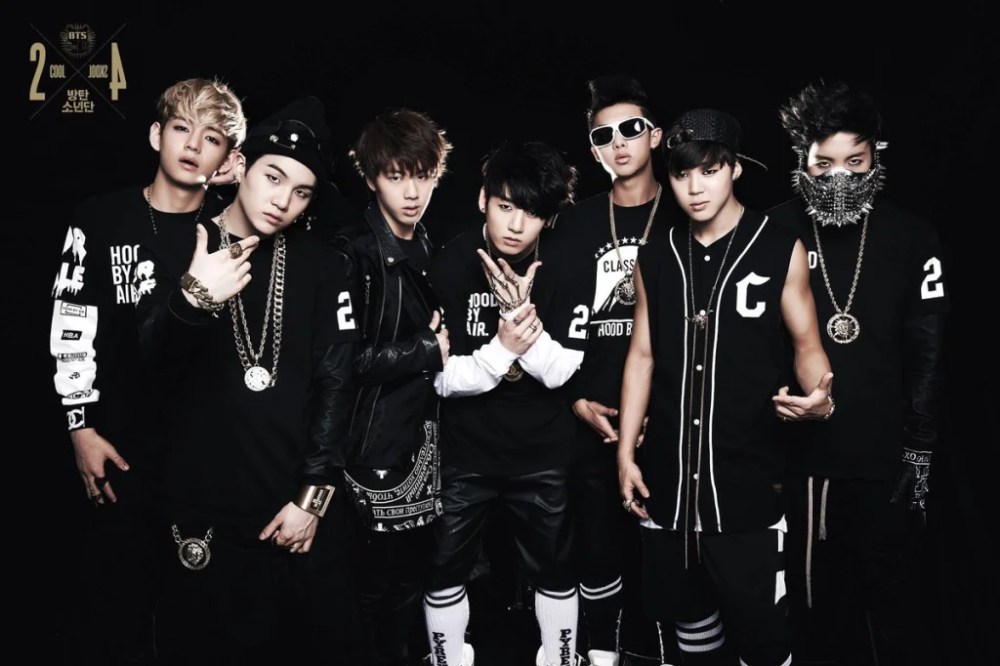
BTS’ debut music video, No More Dream, set the stage for their rebellious, youth-centered themes. The gritty, high-energy visual, featuring dynamic choreography and a defiant schoolyard setting, introduced their socially conscious narratives. N.O and We Are Bulletproof Pt.2 followed suit, emphasizing themes of oppression in the South Korean education system.
As BTS grew, their MVs began to reflect more refined storytelling. Boy in Luv and Danger carried their signature school-life rebellion but introduced more polished cinematography and tighter choreography. I Need U marked a turning point—it was their first MV to employ a more cinematic, narrative-driven approach, setting the foundation for their iconic BU (Bangtan Universe) storyline.
The Wings Era and the Birth of a Visual Universe (2015-2017)
The release of Run continued the storyline of youth and friendship struggles, but it was Blood Sweat & Tears that transformed BTS into visual storytellers. This MV took inspiration from classic literature and art, incorporating symbolism and complex narratives. The opulent sets, Renaissance-inspired imagery, and emotionally charged performances demonstrated a newfound maturity in their visual artistry.
Spring Day became one of their most emotional and critically acclaimed MVs. Filled with melancholic hues and references to tragic real-world events, it solidified BTS’ ability to blend personal and social storytelling seamlessly. The Wings era cemented their reputation for thought-provoking visuals.
The Global Breakthrough and Experimentation (2017-2020)
With the Love Yourself era, BTS’ music videos took a more global approach, incorporating Western influences while maintaining their unique style. DNA burst onto the scene with vibrant colors and computer-generated imagery, signaling their intent to go global. The video was polished, futuristic, and distinctly pop, reflecting their transition into international stardom.
Fake Love took a darker, psychological turn, exploring themes of identity and illusion. The use of surreal set designs, elaborate symbolism, and cinematic editing made it one of their most visually stunning projects.
BTS then surprised fans with Idol, a celebration of self-love and Korean culture. The traditional Korean imagery mixed with modern, surreal visuals showcased their ability to embrace their roots while appealing to a global audience.
The Map of the Soul era brought MVs like Boy With Luv and On, each offering vastly different aesthetics. Boy With Luv was bright and playful, while On showcased a grand, almost biblical narrative, featuring large-scale productions and cinematic landscapes.
The Dynamite Effect and the Pandemic Era (2020-Present)
During the COVID-19 pandemic, BTS adapted with Dynamite, their first all-English MV. The retro, feel-good aesthetic was a stark contrast to their usual deep narratives, but it worked, helping them achieve their first Billboard Hot 100 No. 1. The playful and vibrant visuals captured a sense of nostalgia and joy in difficult times.
Life Goes On brought a more introspective approach, reflecting on the pandemic’s effects on daily life. Unlike their grand productions, this MV was more intimate, reinforcing BTS’ ability to connect with fans on an emotional level.
More recently, Butter and Permission to Dance leaned into pop iconography, reinforcing BTS’ mainstream appeal. Their MVs now balance blockbuster production quality with universal themes of joy, resilience, and unity.
A Legacy in Music Videos
BTS’ journey through music videos reflects their artistic and personal growth. From raw, rebellious visuals to cinematic masterpieces, they have consistently redefined what it means to be global musicians. Their ability to blend storytelling, symbolism, and technical excellence ensures that their MVs remain not just promotional tools, but cultural landmarks that will be analyzed and appreciated for years to come.
Debut trailer 6,472,408 views Released: May 27, 2013
“No More Dream” teaser 1 4,256,324 views Released June 6, 2013
‘No More Dream’ Official Teaser #2 2,686,331 views Released June 9, 2013
‘No More Dream’ Official MV 259,321,843 views Released Jun 12, 2013
‘No More Dream’ Official MV (Choreography Version) 5,921,964 views Released June 17, 2013
No More Dream(노 모어 드림) 14,048,362 views Released June 12, 2013
No More Dream (Dance ver.) 64,735,069 views June 17, 2013
‘We Are Bulletproof Pt.2’ Official MV 69,991,668 views Released July 16, 2013
Comeback trailer 1,960,883 views Released August 28, 2013
O!RUL8,2? Comeback Trailer 4,021,058 views Released September 4, 2013
‘N.O’ Official Teaser #1 1,151,881 views Released September 6, 2013
‘N.O’ Official Teaser #2 1,025,846 views Released Sep 9, 2013
‘N.O’ Official MV 106,191,654 views Released September 11, 2013
Skool Luv Affair ‘Skool Luv Affair’ Comeback Trailer 2,816,909 views Released February 2, 2014
‘상남자 (Boy In Luv)’ Official Teaser 1,695,173 views Released February 9, 2014
‘상남자 (Boy In Luv)’ Official MV 59,614,510 views February 11, 2014
‘상남자 (Boy In Luv)’ Official MV (Choreography Version) 17,106,234 views February 20, 2014
Discover more from borahae bulletin
Subscribe to get the latest posts sent to your email.
 borahae bulletin