
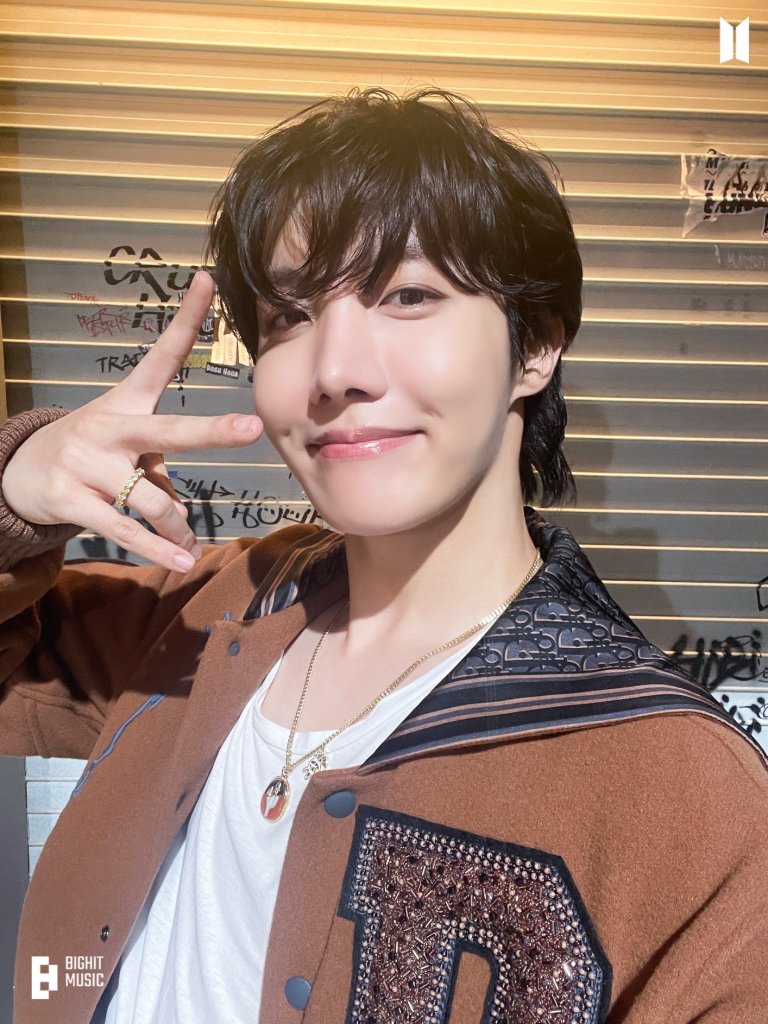
When Korean-American artist Crush announced his collaboration with BTS’s j-hope for Rush Hour, anticipation skyrocketed. With j-hope fresh off his solo album Jack in the Box, fans were eager to see how his signature style would blend with Crush’s smooth R&B sound. The official photo sketch of Rush Hour perfectly encapsulated the essence of this collaboration—effortlessly cool, dynamic, and packed with energy.
In this piece, we’ll take a deep dive into the Rush Hour photo sketch, exploring its aesthetics, thematic elements, and the behind-the-scenes glimpses that make it a visual masterpiece.
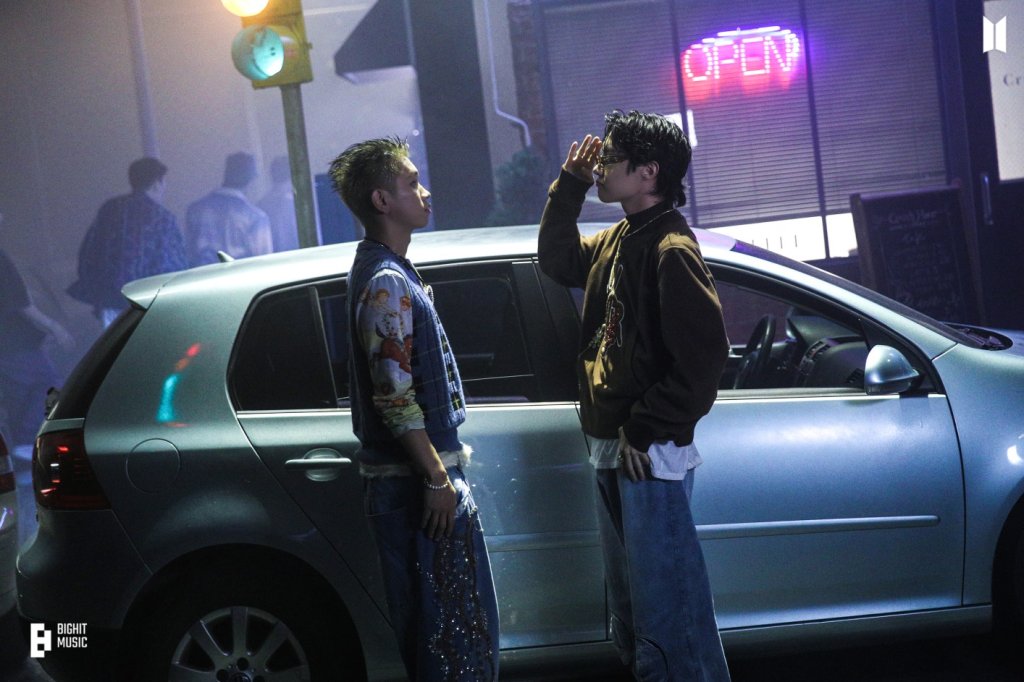
From the very first image in the Rush Hour photo sketch, it’s clear that the theme revolves around an urban, high-energy concept. The shots highlight bustling city streets, neon-lit signs, and a choreographed crowd, immediately setting a lively tone that mirrors the song’s rhythm. The color grading leans towards warm, golden hues that enhance the nostalgic yet fresh vibe of the shoot.
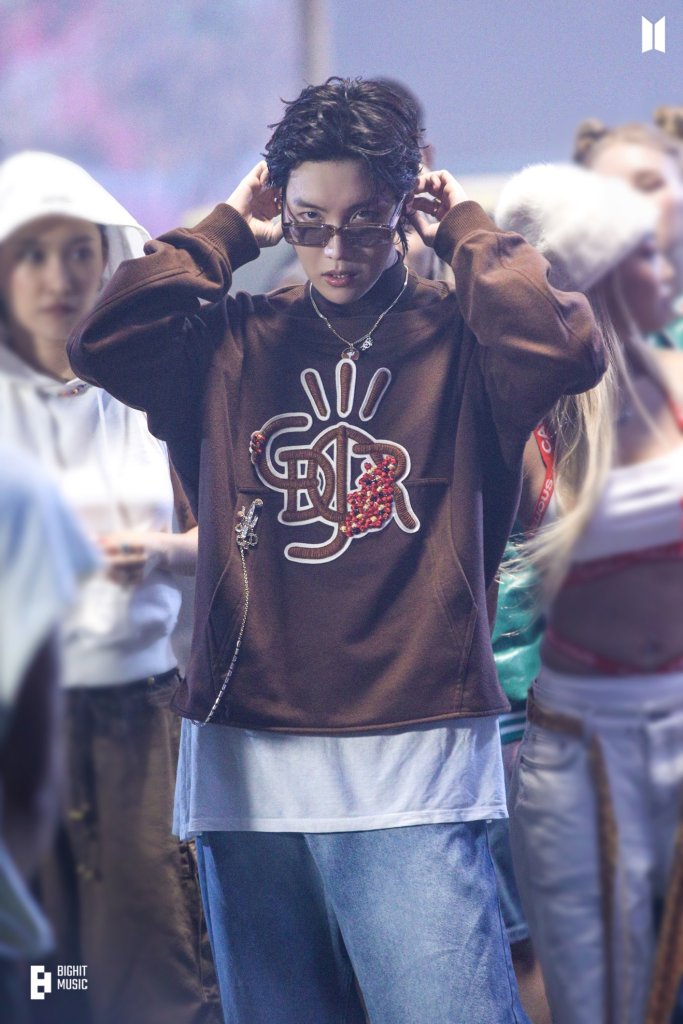
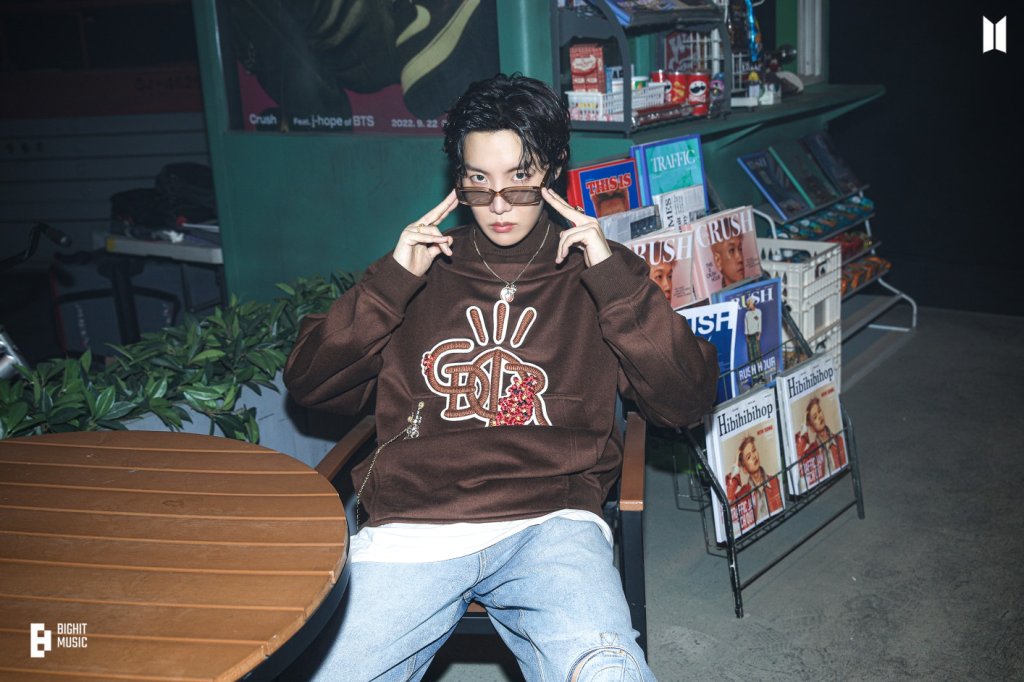
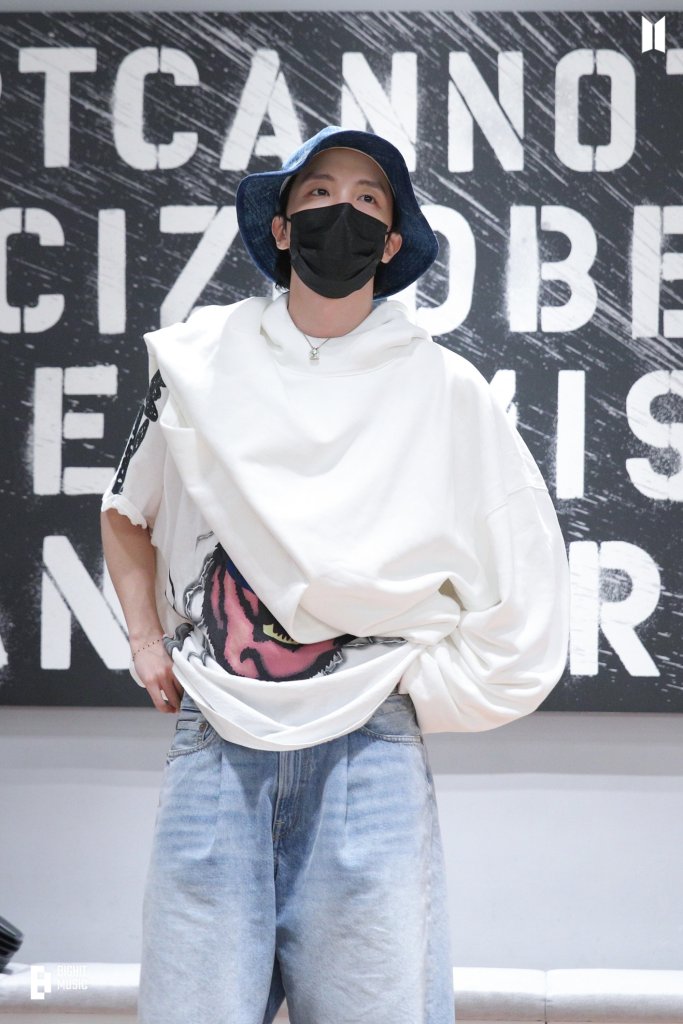
The wardrobe choices amplify the visual storytelling—Crush dons relaxed yet stylish streetwear, while j-hope brings his usual flair with oversized jackets, cargo pants, and statement accessories. Their outfits complement each other, reflecting a seamless fusion of two distinct musical identities.
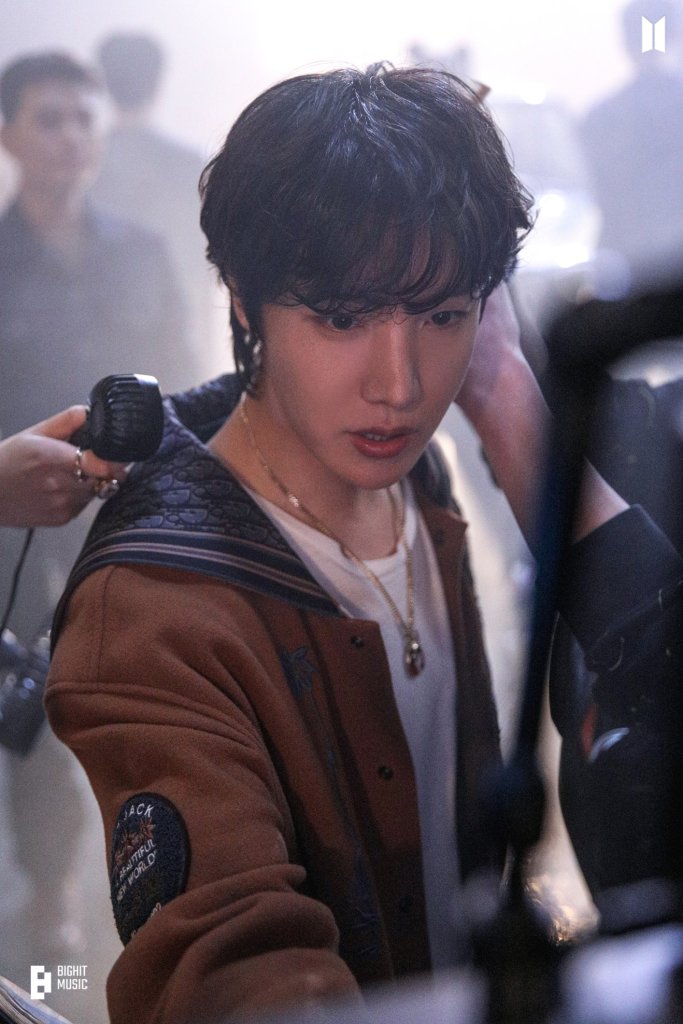
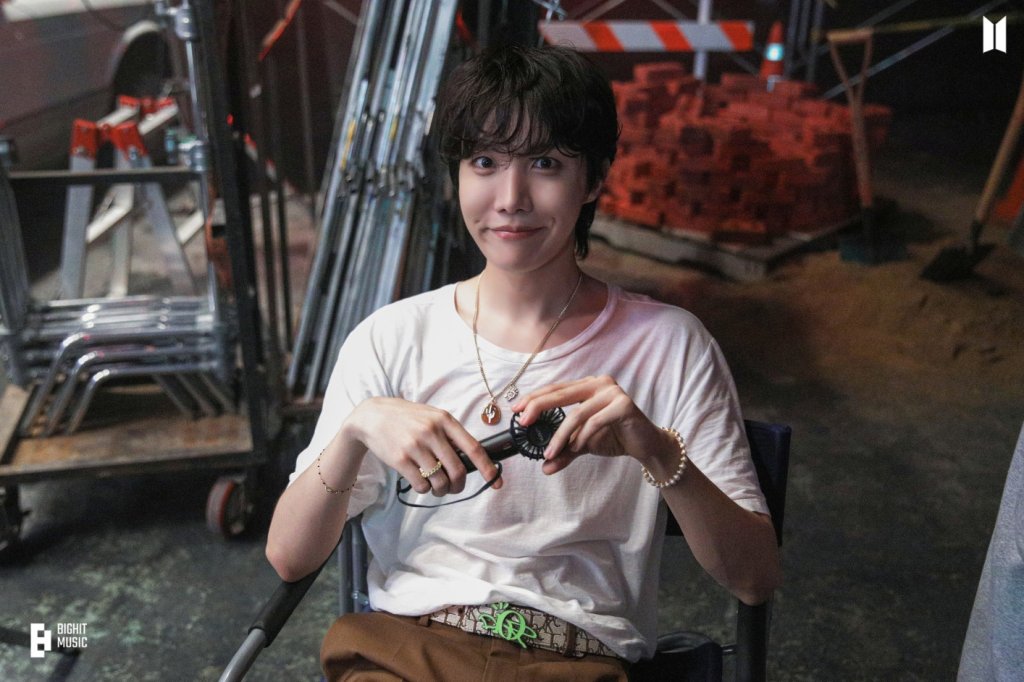
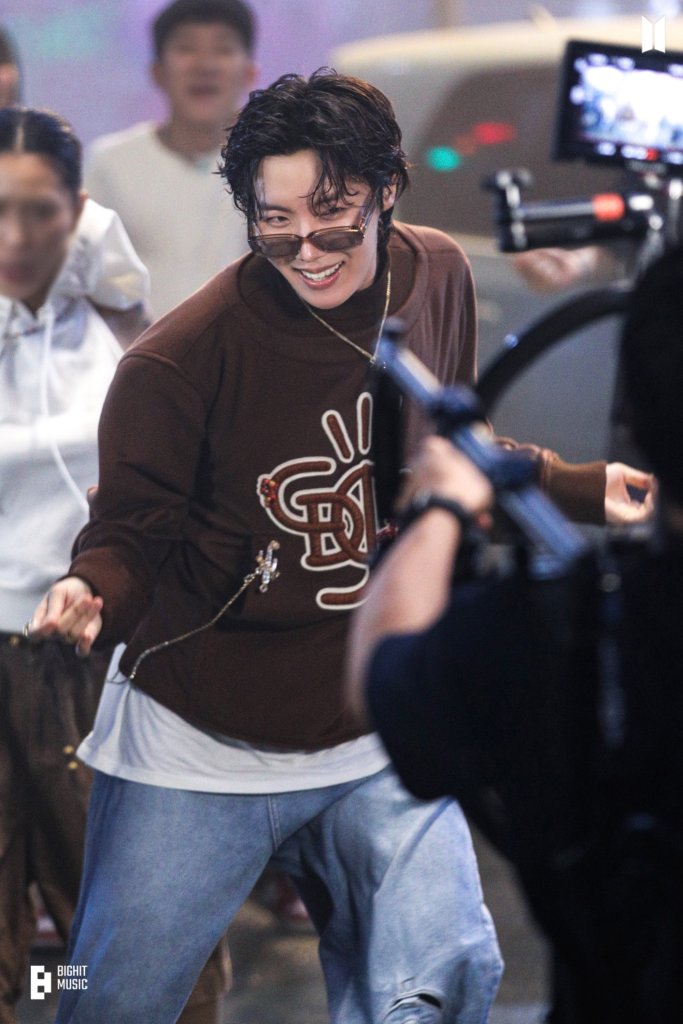
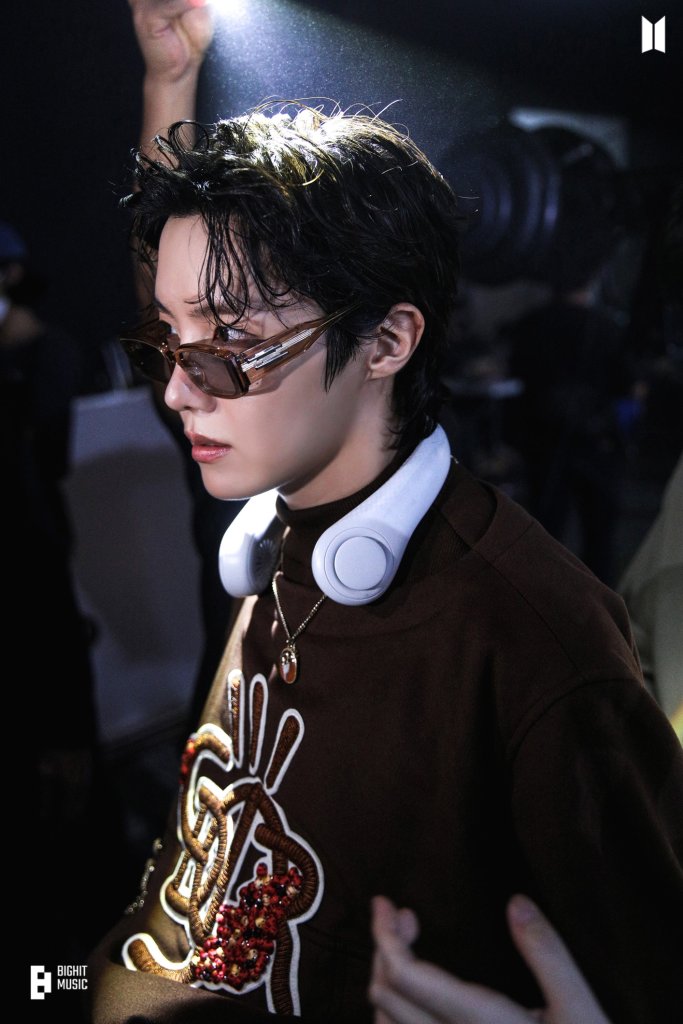
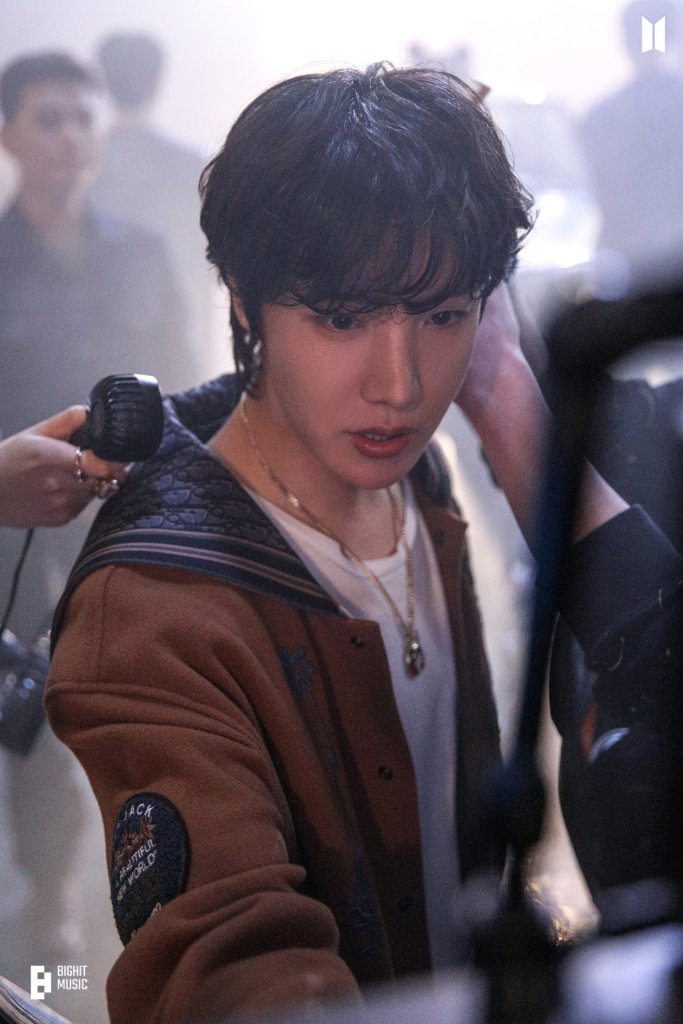
As a global superstar known for his sharp dance moves and boundless charisma, j-hope’s presence in the photo sketch is magnetic. The behind-the-scenes images capture his dedication to every performance, from perfecting his dance sequences to laughing candidly with Crush and the crew. These moments reveal his commitment to making the collaboration feel natural and effortless.
One particularly striking image shows j-hope in mid-motion, caught between dance steps with a confident smile. The blurred background adds a dynamic effect, emphasizing movement and fluidity—key elements that define Rush Hour as a track and visual experience.
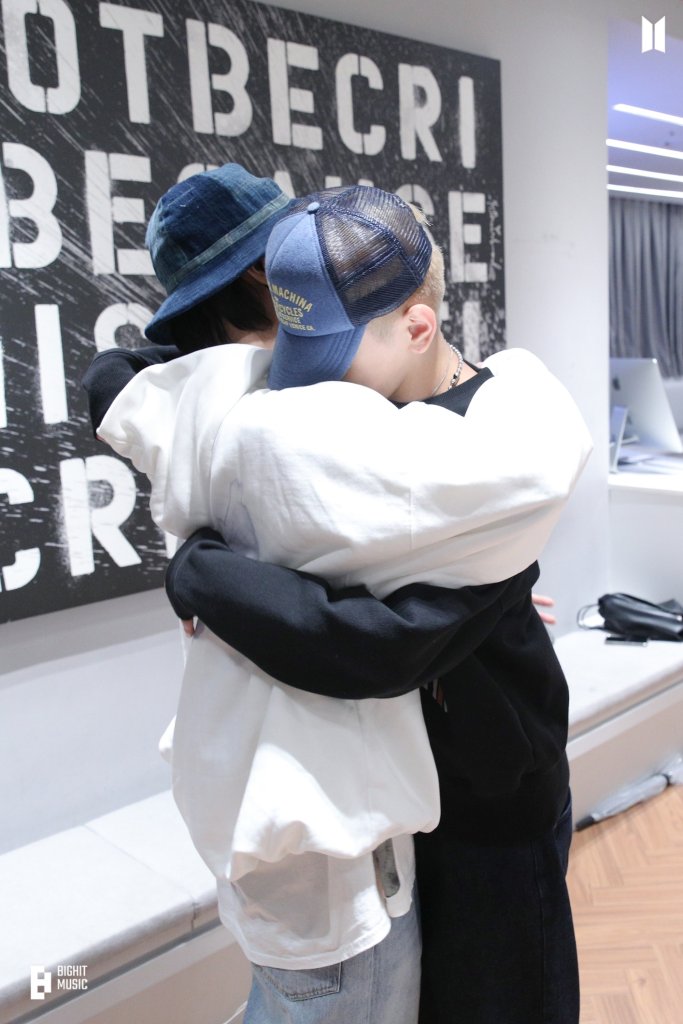
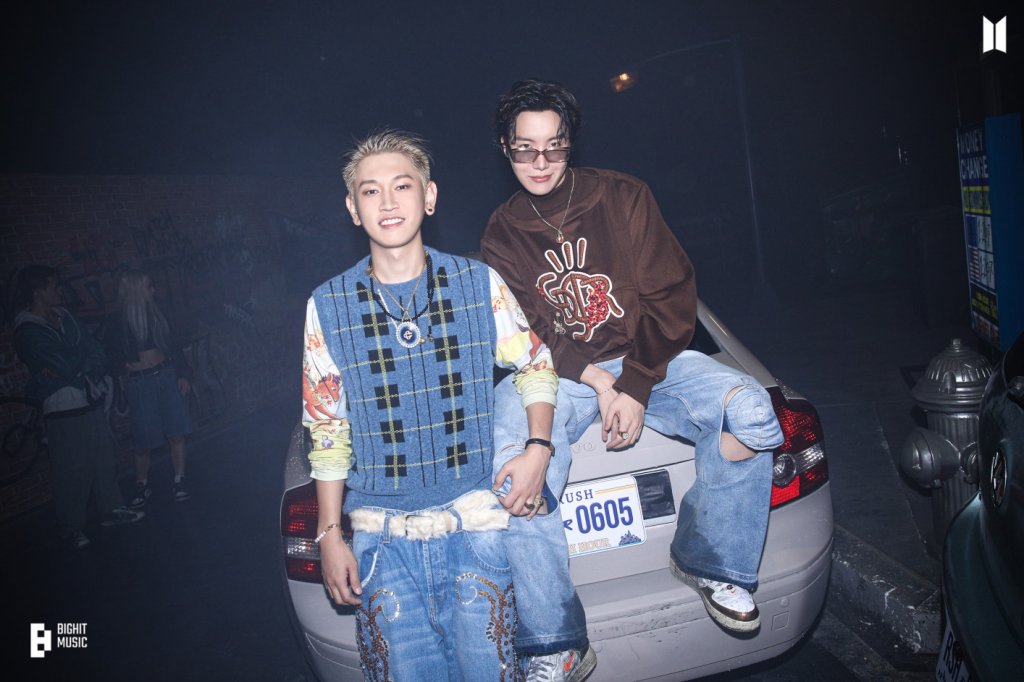
Despite coming from different musical backgrounds, Crush and j-hope exude a camaraderie that shines through in the photo sketch. They are often seen exchanging smiles, high-fives, and laughter, reinforcing that this is more than just a professional partnership—it’s a genuine creative synergy.
The images that feature them performing together exude an effortless rhythm, as if they’ve been collaborating for years. Their playful interactions and coordinated dance routines show the mutual respect they have for each other’s artistry. These visuals not only promote the song but also celebrate the friendship between the two artists, making the project even more meaningful for fans.
One of the most exciting elements of Rush Hour is its choreography, which takes inspiration from classic hip-hop movements while incorporating j-hope’s signature style. The photo sketch brilliantly captures the precision and energy behind every step, from synchronized group formations to expressive freestyle moments.
Close-up shots of j-hope and Crush dancing emphasize their footwork and body language, while wide-angle frames capture the entire ensemble in action. The lighting, framing, and camera angles make these still images feel as dynamic as the actual video, freezing moments of intensity and passion in time.
The setting of the Rush Hour photo sketch pays homage to old-school hip-hop culture, where streets and open spaces became the birthplace of dance battles and creative expression. The use of graffiti-covered walls, parked cars, and neon lights in the background creates a raw and authentic atmosphere.
One standout image features j-hope leaning against a vintage car, exuding confidence and ease. Another captures Crush sitting on a rooftop with the city skyline behind him, symbolizing the heights they are reaching together through this track. The deliberate use of space in these photos adds layers to the storytelling, making the setting feel as much a part of the narrative as the artists themselves.
The lighting choices in the Rush Hour photo sketch blend elements of retro aesthetics with a modern twist. The golden-hour shots create a warm, nostalgic feeling, reminiscent of classic hip-hop visuals. Meanwhile, the neon-lit night shots bring a contemporary edge, enhancing the song’s modern funk influences.
The contrast between light and shadow plays a crucial role in adding depth to the images. Some of the most visually striking photos feature silhouettes against bright backdrops, emphasizing the movement and rhythm of the performers. These artistic choices elevate the photo sketch from simple behind-the-scenes content to a visual work of art.
The release of the Rush Hour photo sketch was met with overwhelming excitement from fans of both artists. ARMY, in particular, appreciated the way j-hope’s personality and performance style seamlessly integrated into Crush’s artistic vision. Social media was flooded with praise for the vibrant visuals, the artists’ chemistry, and the nostalgic yet fresh vibe of the shoot.
Many fans noted how j-hope’s ability to adapt to different genres and aesthetics is a testament to his versatility. Others highlighted the joy and ease that both artists displayed, making the collaboration feel natural and enjoyable rather than just another promotional project. The photo sketch added another layer of appreciation for the song, showing the amount of effort and passion poured into the project.
The Rush Hour photo sketch is more than just a collection of behind-the-scenes images—it’s a celebration of artistic synergy, movement, and energy. It encapsulates everything that makes the song special: the infectious groove, the seamless collaboration, and the visual storytelling that ties it all together.
For fans, these images serve as a lasting memory of a moment where two incredible artists came together to create something extraordinary. And for the music industry, it’s a reminder of how visuals, performance, and authenticity can elevate a song beyond sound, turning it into a complete experience.
Discover more from borahae bulletin
Subscribe to get the latest posts sent to your email.
 borahae bulletin